
Ancient Medicine for Modern Times
Finding Balance in an Unbalanced World

We’re living in a moment that feels stretched in every direction—socially, politically, and economically. Across the globe, there is a rise in authoritarianism, deepening division, and increasing expressions of hatred and violence. War and instability weigh heavily, even from afar. At the same time, many people are navigating the pressures of late-stage capitalism: rising costs of living, burnout, job insecurity, and the constant demand to keep up in a system that rarely slows down.
It’s a lot for any nervous system to hold.
As Carl Jung wrote, “Until you make the unconscious conscious, it will direct your life and you will call it fate.” In times like these, that insight lands differently. When stress and uncertainty accumulate without space to process, they don’t disappear—they settle into the body and shape how we feel, think, and move through the world.
Why Ancient Medicine Still Matters

Classical Chinese Medicine has endured through centuries of upheaval—war, famine, political instability, and epidemics. Its longevity points to something essential: it was built to support people not only in times of ease, but in times of strain.
Modern medicine offers powerful tools, especially in acute care. But many people today are also seeking care that feels more human—where their experience is acknowledged, not just analyzed. As Anaïs Nin wrote, “We don’t see things as they are, we see them as we are.” The internal lens we carry shapes how we experience both illness and healing.
In this way, Chinese medicine places value on the relationship between practitioner and patient, creating space for listening, observation, and connection. Rather than reducing a person to a diagnosis, it considers the full picture—physical symptoms, emotional patterns, lifestyle, and environment.
This broader perspective allows care to be more responsive and individualized, helping patients feel not only treated, but understood, which is often an essential part of the healing process itself.
A Different Pace of Healing
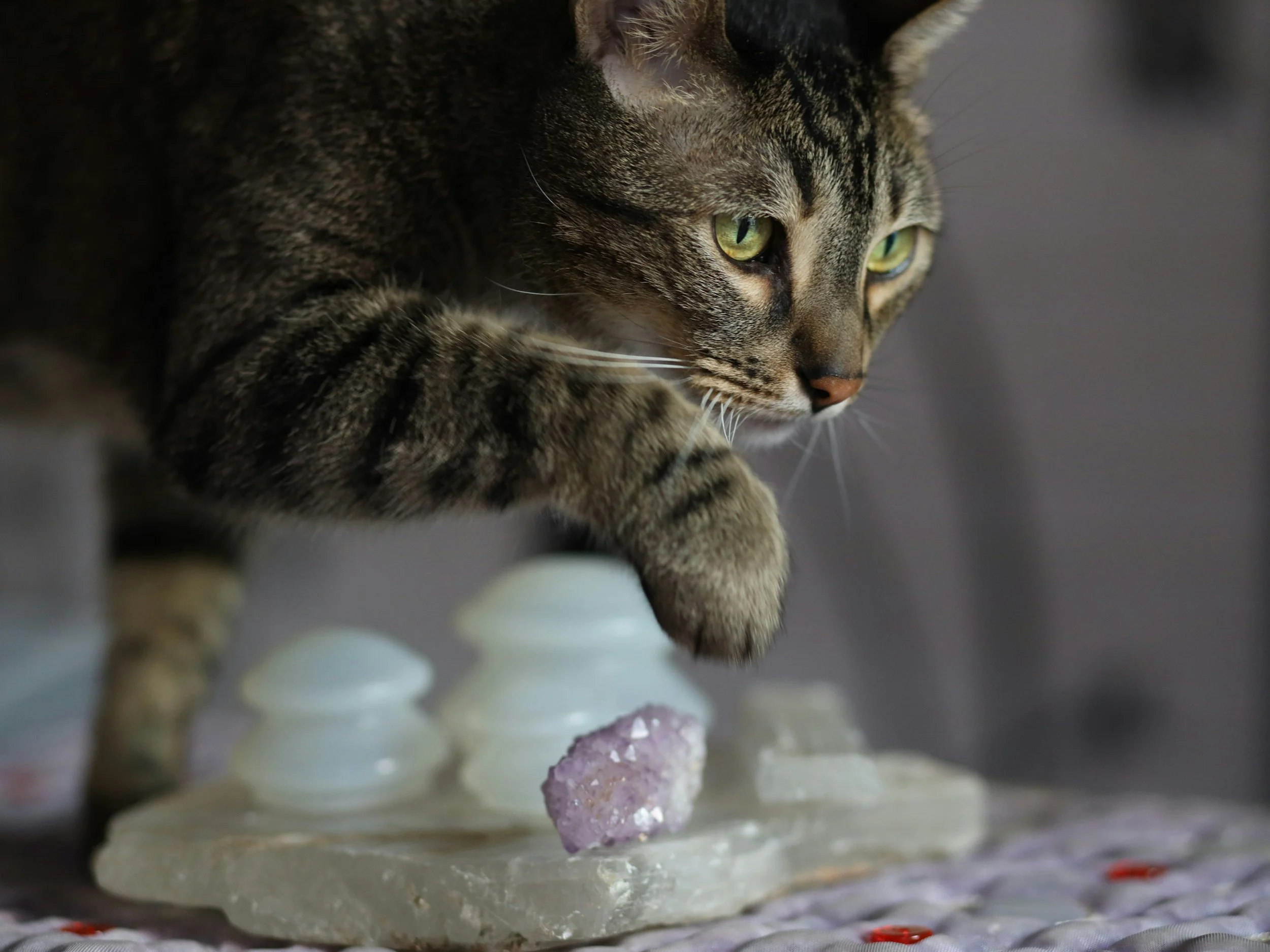
Chinese medicine works by restoring balance rather than forcing outcomes. Through acupuncture, herbal medicine, and practices like qigong, it supports the body’s natural ability to regulate and return to equilibrium.
This reflects the teaching of Laozi: “Nature does not hurry, yet everything is accomplished.” In a culture driven by urgency and constant output, there is something deeply restorative about slowing down enough for the body to recalibrate.
Rather than suppressing symptoms, this approach looks at patterns—how stress accumulates, how it moves through the body, and where it becomes stuck. In times of chronic pressure, it’s common for energy to rise and remain ungrounded, contributing to tension, restlessness, disrupted sleep, and digestive imbalance.
Treatment works to gently guide these patterns back into harmony—settling what is agitated, strengthening what is depleted, and reestablishing a sense of internal steadiness that allows the body to function more naturally over time.
How Stress Lives in the Body

From this perspective, chronic stress disrupts the natural movement of qi—the body’s internal flow of energy. When that flow becomes imbalanced, symptoms begin to surface: digestive discomfort, muscle tension, sleep disturbances, brain fog, headaches, or a persistent sense of unease. What begins as something subtle can, over time, become more entrenched, as the body adapts to operating in a constant state of tension or depletion.
In Classical Chinese Medicine, this is often understood as a loss of proper direction within the system—where energy that should anchor and nourish begins to rise unchecked, or where circulation becomes constrained and stagnant. This can create a sense of feeling “ungrounded,” wired but tired, or stuck in patterns that are difficult to shift without support.
Treatment focuses on restoring direction and stability—helping what has risen to settle, and strengthening what grounds the system. Each approach is individualized, often combining hands-on care with simple, sustainable practices that extend beyond the clinic. Acupuncture can help regulate the nervous system and improve circulation, while herbal medicine works more gradually to rebuild and rebalance from within. Movement practices like qigong or breathwork can further support this process, giving patients tools to participate in their own care.
As Ram Dass said, “The quieter you become, the more you can hear.” In that quiet, the body often begins to shift—subtly at first, then more noticeably—moving from a state of constant reactivity toward one of greater ease, awareness, and resilience.
Changing Your Inner Landscape
Wayne Dyer wrote, “When you change the way you look at things, the things you look at change.” This isn’t about ignoring what’s happening in the world. It’s about recognizing that how we relate to it has a direct impact on our physiology.
When the body is constantly bracing—anticipating stress, pressure, or instability—it stays in a heightened state. Over time, that becomes the baseline. But when we begin to create even small moments of safety, awareness, and support, the nervous system responds. That shift, however subtle, can change how we experience everything else.
Chinese medicine works within this space by helping the body access those moments more consistently. Through regulating the nervous system, improving circulation, and supporting internal balance, it creates conditions where the body no longer has to remain on constant alert.
Over time, this can shift the baseline from reactivity toward resilience—making it easier to meet external stressors without being overwhelmed by them.
Small Shifts, Real Change

Even in overwhelming times, small, consistent shifts matter. The way you care for yourself day to day shapes how you move through the world. These shifts don’t have to be dramatic to be effective—they might look like taking a few slower breaths, stepping outside for fresh air, choosing rest when you can, or simply noticing when your body is holding tension. Over time, these moments accumulate, gently signaling to the nervous system that it is safe to soften, even in the midst of uncertainty.
Ancient medicine doesn’t ask you to step away from modern life—it helps you stay grounded within it. Rather than escaping the pressures around you, it offers tools to meet them with greater steadiness and awareness. Through consistent support, the body can begin to find its rhythm again, creating a sense of internal stability that isn’t so easily disrupted by external change. In a time that often feels unstable, that grounding can make all the difference.
In a time that asks so much of you, creating space to care for your body matters. If you’re feeling the weight of it all, support is available—you don’t have to navigate this alone. Even small shifts can create meaningful change.
When you’re ready, schedule a consultation or book an appointment and begin your healing journey with care that meets you where you are.